January arrives. The mercury hits 38 degrees by noon. That beautiful backyard suddenly feels like a brick pizza oven. Entertaining becomes impossible. Designing an alfresco area for an Australian summer takes more than throwing a shade sail over some outdoor furniture. It requires a deliberate strategy to beat the heat, survive the UV index, and handle those sudden afternoon thunderstorms.
Roofing That Actually Blocks the Heat
A tin roof over a patio is essentially a frying pan. Single-skin corrugated iron transfers the sun's energy straight down into the seating area. Solid insulated roofing panels are non-negotiable for serious climate control. A 50mm polystyrene core panel can drop ambient temperatures underneath by up to 8 degrees compared to a standard metal roof. That is the difference between a comfortable Sunday barbecue and a heatstroke hazard.
Want natural light without the greenhouse effect? Standard polycarbonate sheeting is a mistake. It lets the heat pour in. If you absolutely need a skylight to keep the adjoining interior rooms bright, opt for low-emissivity glass. Better yet, install motorised blind systems over the skylights to block the brutal midday sun while retaining soft morning light.
Ground Rules for High-UV Surfaces
Timber looks fantastic on day one. By day three hundred, it is a different story. The harsh sun bleaches out the stain. Then come the splinters, the warping, and the relentless maintenance schedule. It becomes a massive chore.
This is where material selection makes or breaks a project. During a major home renovation, upgrading the outdoor flooring to synthetic or engineered options solves the maintenance headache entirely. Engaging specialist composite deck builders Sydney ensures the foundations of the outdoor room won't buckle under intense thermal expansion. Modern capped composites resist fading and stay cooler underfoot than dark ceramic tiles or poured concrete slabs.
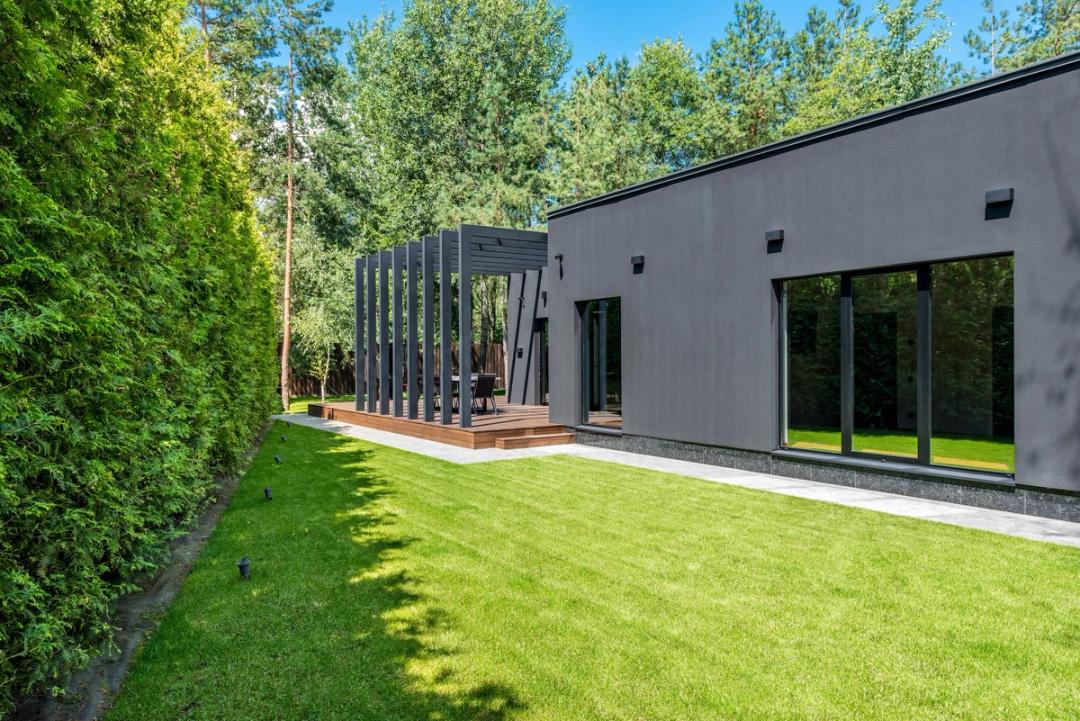
Colour choice matters immensely. Dark charcoal boards might look sleek in a magazine spread. In real life, they absorb thermal energy and will absolutely scorch bare feet in February. Stick to lighter ash, silver, or pale oak tones to reflect the heat.
Manipulating Airflow and Shade
You cannot control the weather. You can absolutely control the breeze.
Standard alfresco designs often feature three solid brick walls and one open side. This creates a dead zone for air circulation. Stifling and uncomfortable. To fix this, integrate aluminium louvres or operable shutters along the weather-facing sides. These let you angle the blades to catch the prevailing north-easterly breeze while completely blocking out the harsh western afternoon glare.
Add a ceiling fan. Not just a cheap indoor fan bolted to a beam, but a commercial-grade outdoor model with broad, aerodynamic ABS plastic blades. They shift serious volumes of air. This breeze effect lowers the perceived temperature on your skin by several degrees. It also acts as a brilliant deterrent against flies and mosquitoes trying to crash the afternoon drinks.
Designing an Unbreakable Outdoor Kitchen
Taking the cooking outside keeps the heat out of the main house. But an outdoor kitchen faces a brutal environment.
Marine-grade stainless steel acts as the gold standard for cabinetry. However, stainless steel benchtops will blind you with glare and burn your hands if left exposed to direct sunlight. Reconstituted stone is a popular alternative, but prolonged UV exposure will turn the resin yellow over time. Opt for porcelain panel benchtops or polished concrete. They remain completely immune to UV degradation and shrug off hot barbecue plates without a mark.
Keep the fridge out of the sun. An under-bench glass door fridge looks great, but if the afternoon sun hits the glass, the compressor will burn out trying to keep the drinks cold. Position all appliances in the deepest, most shaded part of the footprint.
The Summer Storm Pivot
Australian summers are famously unpredictable. Scorching heat one minute. Torrential downpour the next.
An alfresco space needs to pivot from an open-air sunroom to a storm bunker in under sixty seconds. Motorised outdoor blinds with heavy-duty track systems lock out driving rain instantly. Zip-screen technology keeps the water out and stops the fabric from blowing out of its channels during wild wind gusts.
Pay close attention to drainage. A zero-threshold transition from the living room to the patio looks incredibly sleek. It creates a seamless visual flow. But if the drainage grates are undersized, that sudden January supercell will push water straight under the sliding doors and onto the living room carpet. Install commercial-sized strip drains right across the entire doorway threshold.
Soft Landscaping as a Natural Coolant
Hard surfaces absorb and radiate heat. Retaining walls and paved pathways soak up the sun all day and release it well into the night.
The solution is strategic planting. Dense foliage creates a natural thermal barrier. Lilly pillies or screening bamboo planted along the western perimeter stop the sun from baking the brickwork. The leaves transpire moisture, actively cooling the microclimate around the patio.
A lush border of native shrubs looks fantastic and absorbs heat rather than bouncing it back into the seating area. Introduce a small water feature near the primary seating zone. The sound of running water provides a proven psychological cooling effect, and the gentle evaporation slightly lowers the ambient temperature of the immediate breeze.
Selecting Furniture That Won't Melt or Rust
A beautiful alfresco space falls apart if the furniture cannot handle the conditions. Cheap plastic chairs degrade and snap. Wrought iron rusts the moment the coastal humidity hits it.
Aluminium frames powder-coated in light colours offer the best longevity. They don't rust, they remain light enough to move around easily, and the frames won't become dangerously hot to the touch.
Pay close attention to the upholstery. Standard outdoor fabrics fade completely within two seasons. Insist on solution-dyed acrylic fabrics where the manufacturer mixes the colour into the liquid polymer before even spinning the yarn. Water beads right off it. UV rays bounce off it. It costs more upfront, but replacing cheap cushions every single November gets expensive quickly.