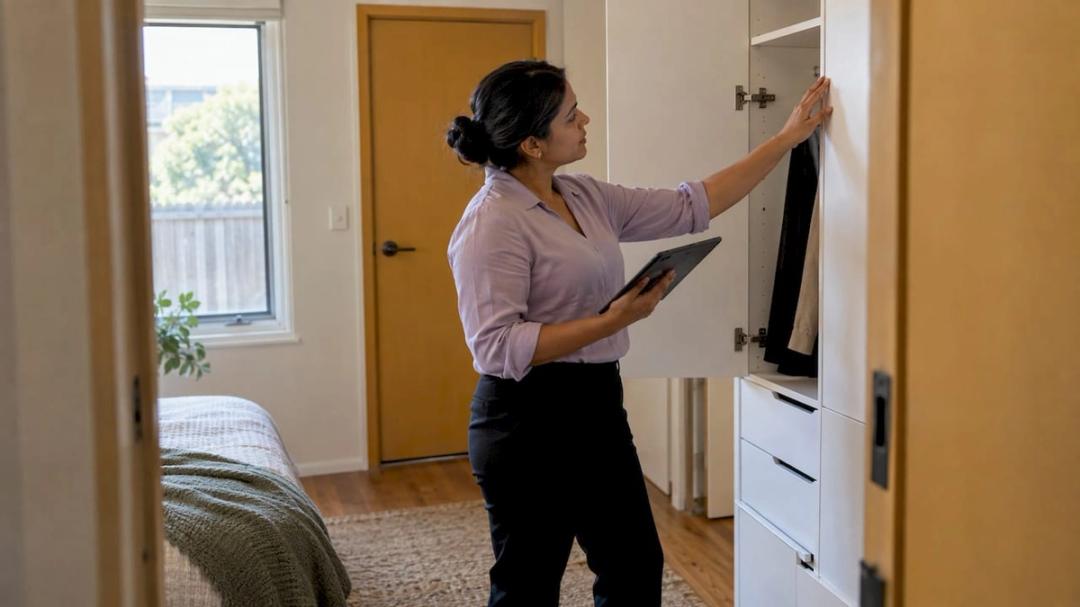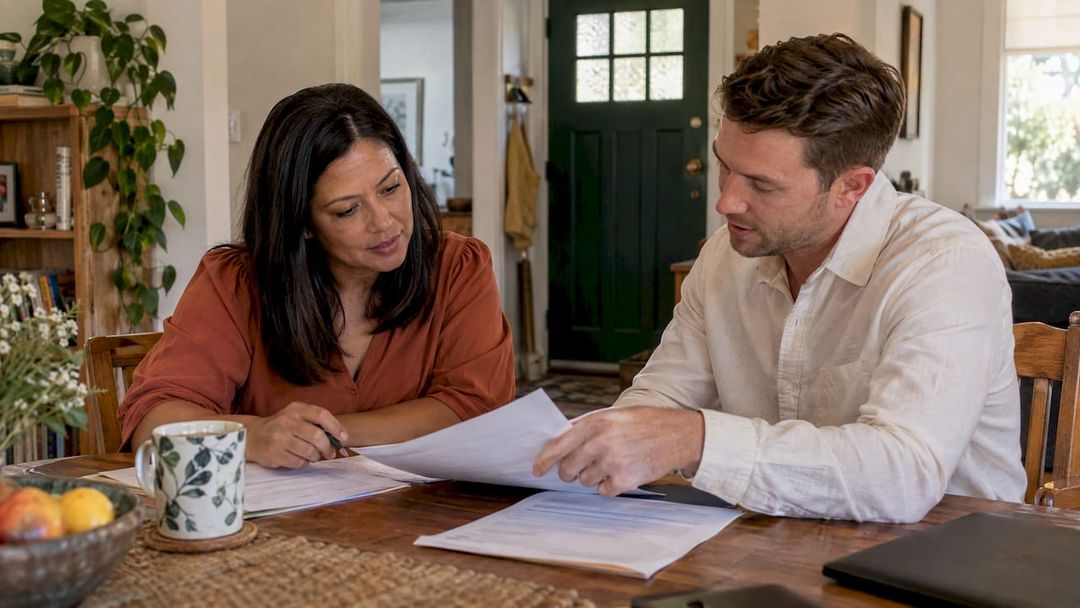

A strata inspection report is a review of the owners corporation's records. (In Queensland the same body is called the body corporate.) It tells you how the building is funded, insured, maintained and governed before you commit to a unit, townhouse or villa. It is not a physical inspection of the property. The strongest approach is to pair it with a building inspection, read it with a clear list of questions, and take those questions to the right professionals: a buyer's agent to weigh the building against alternatives, and a mortgage broker to test what the levies do to your borrowing. You can compare both on Real Estate Hive.
TL;DR
- A strata inspection report (also called a strata search) summarises a scheme's finances, insurance, defects, planned works, legal matters and meeting notes. The NSW Government advises buyers to get one, along with a building inspection report.
- It reviews records only. It cannot tell you the condition of the unit or the common property. That is the job of a building inspection.
- Access is by written request and a fee set by each state. Queensland bodies corporate must respond within 7 days; NSW fees for prospective buyers rose from 1 July 2025.
- Read it for four things: the money in the fund, big works ahead, disputes, and the insurance position. Each one can change what the unit is worth to you.
- Use the findings to negotiate, to adjust your borrowing numbers, or to walk away before you are locked in.
Table of Contents
- What a strata inspection report actually is
- Why the records matter more than the paint
- What the records should show, state by state
- Who can ask to see the records, and how
- Strata report or building inspection: you need both
- How to read the report: five things to look for
- A worked example
- Turning findings into decisions
- Compare the right professionals in one place
- Mistakes buyers make with strata reports
- FAQ
- Sources
What a strata inspection report actually is
When you buy into a strata scheme, you do not only buy your own lot. You become a member of the group of owners who share the roof, lifts, stairwells, driveways, gardens and structure. Those owners pay levies into funds that pay for insurance, cleaning, repairs and big works. The records of all this sit with the owners corporation, usually handled by a strata manager.
A strata inspection report is someone reading those records on your behalf and summarising what matters. According to the NSW Government's buying guide, a strata search report covers:
- information from the strata roll (the list of lots and owners)
- the scheme's finances
- its insurance, and when that was last checked
- building defects and planned works
- safety requirements
- existing or pending legal matters
- meeting notes that show how the scheme is run, including evidence of disputes
The names vary by state. You will see strata search, strata report, strata title inspection, owners corporation records inspection or body corporate records inspection. They describe the same idea: you look at the paperwork before the building's problems become yours.
Why the records matter more than the paint
Two apartments can look identical on inspection day and be completely different purchases. One sits in a scheme with a healthy fund, a current maintenance plan and calm meetings. The other has a depleted fund, a leaking roof that has been discussed for three years and a special levy waiting to be raised. You would only learn that from the records.
RACV explains that buyers share responsibility for common property, so strata records help identify future costs, while a building inspection shows on-site condition. That shared responsibility is why a clean-looking unit is not enough evidence.
For first-home buyers in particular, strata can feel like an extra layer of rules. Our guide on why first-home buyers should consider a body corporate explains the upside of shared costs and management, and the report is how you check that a particular scheme delivers it.
What the records should show, state by state
The law that governs access differs across Australia, but the core documents are similar.
New South Wales
Section 182 of the Strata Schemes Management Act 2015 lists the records available for inspection. They include the strata roll, the records the scheme is required to keep, any 10-year capital works fund plan that applies, the last financial statements, and current insurance policies with the last premium receipt. The Act also says the owners corporation must not make available any record that would disclose how an owner voted in a secret ballot, unless a tribunal or court directs it.
The capital works fund plan is the document to find first. It is the scheme's forecast of major repairs and replacements over a decade and how it intends to pay for them.
Queensland
Queensland's Body Corporate Guide lists meeting minutes, insurance policies, financial information and the body corporate roll among the records, and treats levies and financial information as especially important. It advises checking levy balances through the body corporate certificate or the records before settlement. If you are buying in Queensland, it is also worth knowing how the cooling-off period works in QLD, because it affects when you can still act on what the records reveal.
South Australia
The Legal Services Commission of South Australia lists documents the strata corporation must make available. These include accounting records, minute books, documents received under section 38(3) (which covers the duplicate certificate of title for common property), the contract with a strata manager and the register of unit owners.
Other states and territories have their own rules and forms. Check the relevant government page for the state you are buying in.
Who can ask to see the records, and how
The rules on who is entitled to access are written into each state's law, and buyers are generally covered.
New South Wales. The NSW Government says you can hire a professional strata searcher or a conveyancer and compare costs and delivery times. Or you can inspect the records yourself by contacting the strata manager, or the owners corporation secretary, through the real estate agent. That needs the seller's permission and payment of a fee. Under section 182, the request must be in writing and accompanied by the prescribed fee.
Queensland. The Queensland Government says you can see or get copies of a body corporate's records if you are an owner, a mortgagee, a buyer, someone with a proper interest (a tenant, for example) or an agent of one of those. You give a written request and pay a fee. Within 7 days of receiving both, the body corporate must permit inspection at a reasonable time and place, or give you a copy of the record. It may withhold documents it reasonably believes contain defamatory material, or that are legally privileged.
What it costs
Fees are set by regulation, so they change. In NSW, news.com.au reported that from 1 July 2025 the inspection fee for prospective buyers of apartments, townhouses and villas increased from $31 to $60 for the first hour, and from $16 to $30 for each half-hour after that. Fees for current owners were unchanged. That is the fee to look at the records. A professional report adds the cost of the person who reads and summarises them, so quotes vary by provider and by how quickly you need the result. Confirm the current fee on the relevant government page before you budget.
Queensland fees are prescribed too, and are reviewed on a schedule. Check the Queensland Government page above for the latest amount.
How long it takes
In Queensland, the 7-day response window is the legal limit. In NSW, delivery times differ between providers, which is why the NSW Government suggests comparing them. Build this into your timeline. If you are buying at auction, you need the report before the day, not after it. If you are buying by private treaty with a short cooling-off or finance period, order it as soon as you have a serious contract in hand.
Strata report or building inspection: you need both
This is the most common point of confusion. They answer different questions.
| Strata inspection report | Building inspection report | |
|---|---|---|
| What is examined | Owners corporation records and accounts | The physical property |
| Main question | What will this scheme cost me and what risks does it carry? | What condition is the property in? |
| Shows | Levies, funds, insurance, planned works, disputes, legal matters | Visible defects, safety issues, access-limited areas |
| Does not show | Physical defects in the unit or common property | Scheme finances, disputes, future levies |
The NSW Government notes that a building inspection report does not cover everything. It generally excludes parts that were not or could not be inspected, matters outside the consultant's expertise, repair cost estimates, minor defects and termite detection. In a strata scheme the inspector normally only looks at the interior and immediate exterior of the unit, unless you ask for a special-purpose report covering other common property areas.
So the gap is real on both sides. The strata report tells you what the paperwork says. The building report tells you what a person saw. If the minutes mention water ingress in the car park, you can ask the building inspector to look at it. If the building report shows cracking, you can look for a defect claim in the records. RACV's advice is the same: combine the two to understand future costs.
For houses and units alike, pests are a separate check again. Our guide to pest inspection services for Australian home buyers explains what that report covers.
How to read the report: five things to look for
You do not need to read every page like a lawyer. You need to find the answers to a handful of questions.
1. Is the money there for the work ahead?
Look at the funds and the budget. Schemes typically keep one fund for day-to-day costs and one for large, infrequent items such as roof replacement, lift upgrades or repainting. In NSW the second is the capital works fund, and the 10-year plan should show what is expected and when.
Questions to ask:
- Does the balance look reasonable against the works listed in the plan?
- Are levies rising year on year, and by how much?
- Are any levies overdue, and by how many owners?
- Is there any mention of a special levy, either already raised or being discussed?
A low fund is not automatically a bad sign. A low fund and a list of expensive works due soon is the combination to take seriously, because the gap is paid by owners, including you.
2. What works are planned or pending?
The NSW Government lists defects and planned works as part of the report. Read the minutes for quotes being obtained, contractors being engaged and works that were deferred. Work that has been deferred for several meetings often returns as a bigger bill.
3. Are there defects or disputes?
Meeting notes show how the scheme is run. Frequent conflict, repeated complaints about the same issue, tribunal applications or legal proceedings are worth noting. The NSW Government includes existing or pending legal matters and evidence of disputes in what a report should reveal. A scheme in a long defect claim may be fixing a problem for the long term, or it may be paying legal costs. The minutes usually give a sense of which.
4. Is the building properly insured?
The report should show the insurance policies and when they were last checked. Check the type of cover, the renewal date and whether the premium has jumped. Insurance cost is a levy driver, and a steep increase flows straight to owners.
5. How is the scheme managed?
Minutes show whether meetings happen on time, whether decisions are carried out and whether owners are engaged. In South Australia, the strata manager's contract is among the documents you can see, which shows what the manager is paid to do. Smooth governance does not make headlines, but it affects how quickly problems get fixed.
A worked example
Say you are comparing two two-bedroom apartments in a 1990s building, both listed at similar prices.
Apartment A is in a scheme where the report shows a healthy long-term fund, a 10-year plan with the roof membrane scheduled in five years, steady levies and quiet minutes.
Apartment B is cheaper. The report shows a thin fund, minutes from the last three meetings discussing façade repairs with quotes, and a proposal to raise a special levy.
On the listing, B is the bargain. On paper, B may cost you more over the next few years. If you still want B, you now have options: negotiate the price down, ask your broker to model the levy in your serviceability, or decide the risk is not for you. That is the value of the report. It converts a vague feeling about a building into figures you can act on.

Turning findings into decisions
Once you have the report and the building inspection, you generally have four paths:
- Proceed as planned. The records are clean and the building matches what they say.
- Negotiate. Use the findings, such as upcoming works or a thin fund, to open a conversation about price.
- Ask more questions. Ask the agent or the strata manager to clarify an item in the minutes, such as the status of a quote or a dispute.
- Walk away. Where it is still possible under your contract and cooling-off terms, you can withdraw rather than inherit a problem.
Timing matters. Order the report while you still have options under your contract, not after you have exchanged without conditions.
Where the right professionals help
The report gives you facts. Deciding what they mean for you is where specialists earn their fee.
- Levies and borrowing. Strata levies are an ongoing cost, and a special levy can arrive as a lump sum. A mortgage broker can show you how this fits with your borrowing capacity and your cash buffer. You can compare brokers on the Real Estate Hive mortgage broker pages, including Sydney and Melbourne.
- Which building, which unit. If you are weighing several apartments across suburbs, a buyer's agent can read the reports alongside the market evidence and negotiate. Browse buyers agents in Sydney or Brisbane, or see the national buyers agent listings.
- Tax. If you are buying as an investor, ask a tax expert how levies and special levies are treated for your situation. Tax treatment depends on your circumstances, so this is a question for a qualified tax professional.
Compare the right professionals in one place
A strata report raises questions that cross several fields: lending, negotiation, tax and building work. Real Estate Hive is Australia's property services directory, where you can compare real estate agents, buyers' agents, mortgage brokers, tax experts, builders and other property professionals side by side, with detailed profiles and reviews, rather than searching a dozen sites.
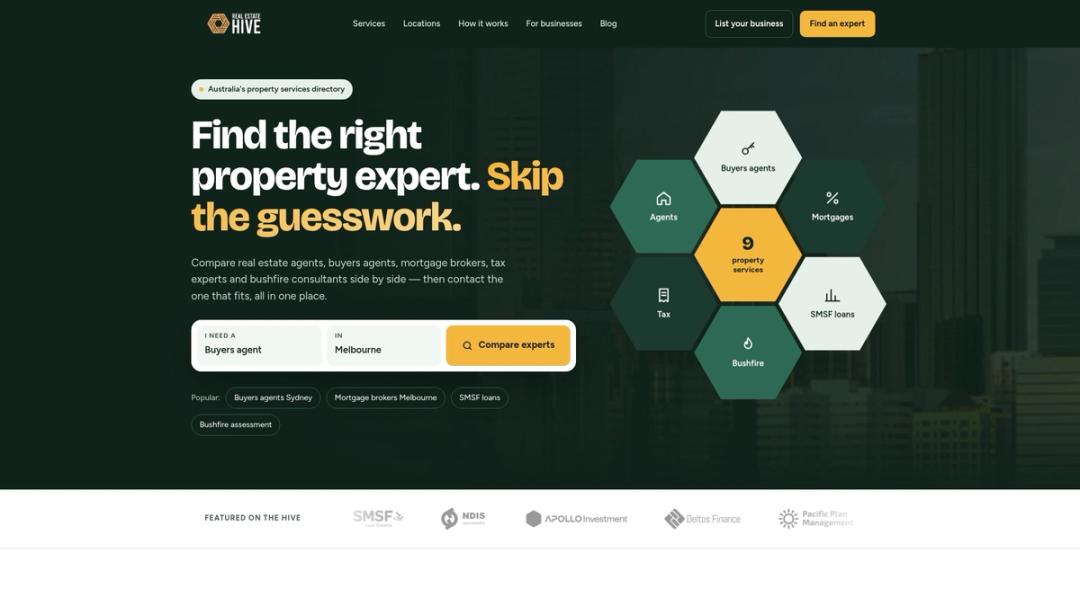
If the report points to repair work in your own lot, the builders listings help you find renovation specialists. If you are still choosing who to work with, start from the Real Estate Hive directory and shortlist the professionals who suit your purchase.
Mistakes buyers make with strata reports
Ordering it too late. The report is only useful while you can still act on it. Order before you go unconditional.
Reading only the summary. A summary is a starting point. If it flags works or disputes, ask to see the relevant minutes or plan.
Treating it as a building inspection. It will not find a leak or a cracked slab. Book the physical inspection too.
Ignoring small recurring items. The same complaint appearing in several meetings is a pattern. Patterns turn into costs.
Assuming low levies mean a good deal. Levies that look low can mean the scheme is under-saving, and the shortfall shows up later.
Skipping the check on your own budget. Even a clean report does not mean the levies suit you. Put the figures into your budget with your broker before you commit.
FAQ
Is a strata inspection report the same as a strata search?
In most cases, yes. Strata search, strata report, strata title inspection and strata inspection report are used for the same review of the owners corporation's records. The term body corporate records inspection is the Queensland equivalent. The name changes by state and provider, so check what the report includes rather than relying on the title.
Do I need a strata report if I am getting a building inspection?
Yes. The NSW Government advises buyers to get both. The building inspection looks at the property's condition, while the strata report covers finances, insurance, defects, planned works and disputes.
Can I inspect the records myself?
Often you can. In NSW, you contact the strata manager or owners corporation secretary through the real estate agent, with the seller's permission and a fee. In Queensland, buyers can make a written request and pay a fee, and the body corporate has 7 days to respond. The report format saves you from interpreting raw minutes and accounts yourself.
How much does it cost?
There are two parts: the government-set fee to inspect the records, and any professional's charge for preparing the report. In NSW, the inspection fee for prospective buyers rose from $31 to $60 for the first hour from 1 July 2025. Check the current schedule for your state, and compare quotes for the professional report.
What should I do if the report shows a big upcoming repair?
Find out when it is scheduled, how it will be paid for and whether a special levy is proposed. Then work out what it means for your budget with a mortgage broker, and consider whether it supports a lower offer. A buyer's agent can handle that negotiation for you.
Sources
- Buying a strata property, NSW Government
- Pre-purchase inspection reports when buying a home, NSW Government
- Strata Schemes Management Act 2015 (NSW) s 182
- Accessing your body corporate's records, qld.gov.au
- Queensland Community Living: A Body Corporate Guide
- Strata Titles: A Legal Guide, Legal Services Commission SA
- Apartment inspections: what professionals find that buyers miss, RACV
- Homebuyers hit with massive fee rise, news.com.au